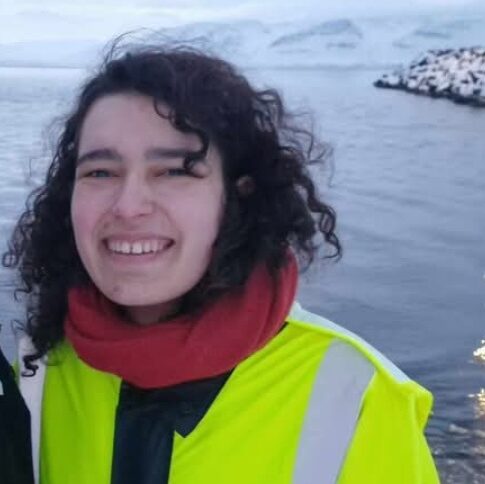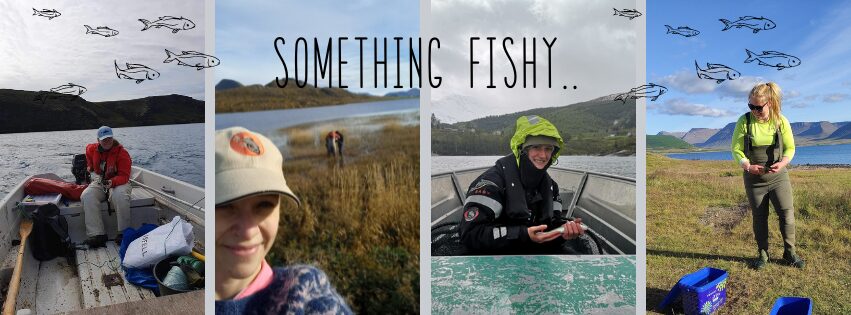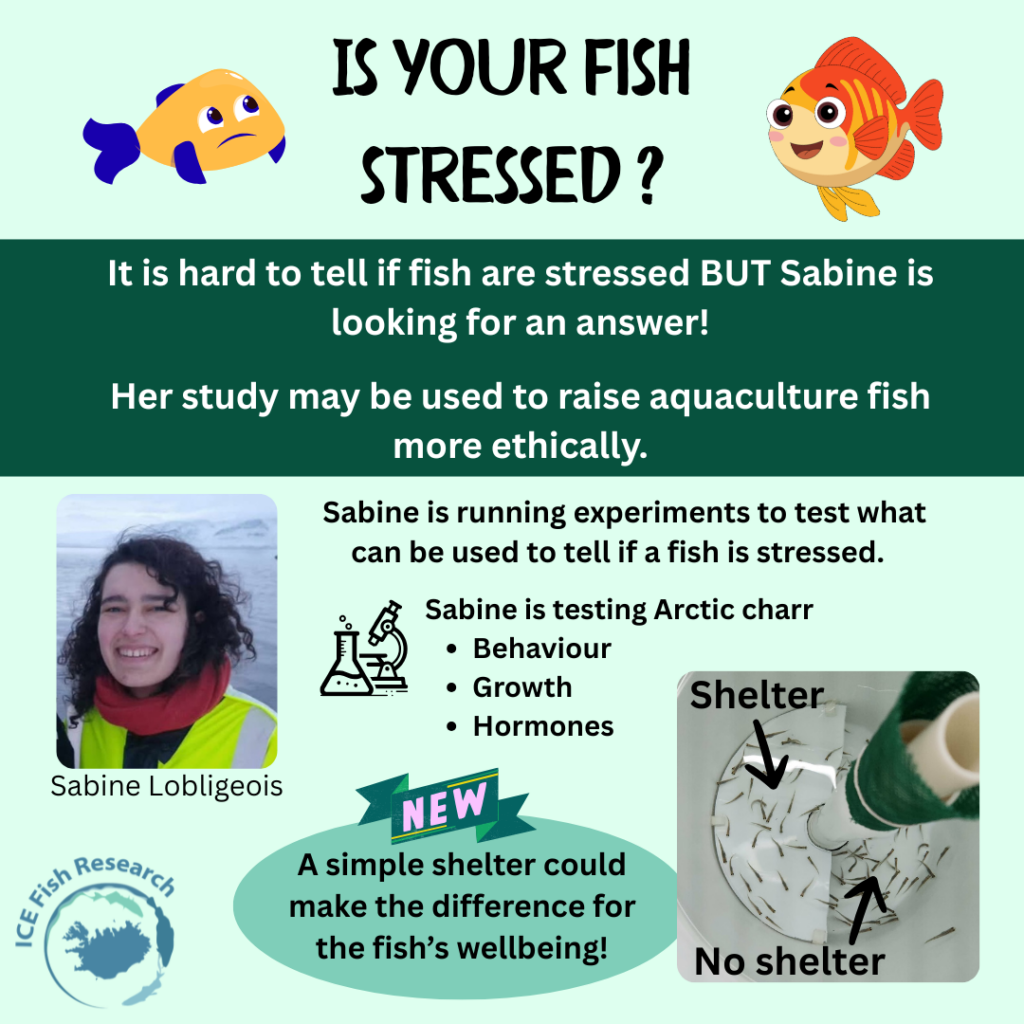
Did you ever wonder if your Arctic charr filet came from a happy fish? Sabine Lobligeois is a PhD student at Hólar University and studies how we can tell if aquaculture fish are stressed. Sabine never envisioned herself working in aquaculture or working with fish at all, but animal behaviour always intrigued her. She was curious to understand why animals behave a certain way and what shaped their behaviour. While working at the Arctic charr breeding station in Hólar she noticed that some fish behaved differently and so she got curious. From previous studies at the University of Iceland at Hólar she learned that fish do grow better in an enriched environment, compared to just an empty tank. Fish also have personalities with some fish being more explorative and dominant, whereas others are a bit more hesitant and avoid confrontations. These personalities correlate with how well fish grow, so one could potentially select for growth by choosing certain personality traits.
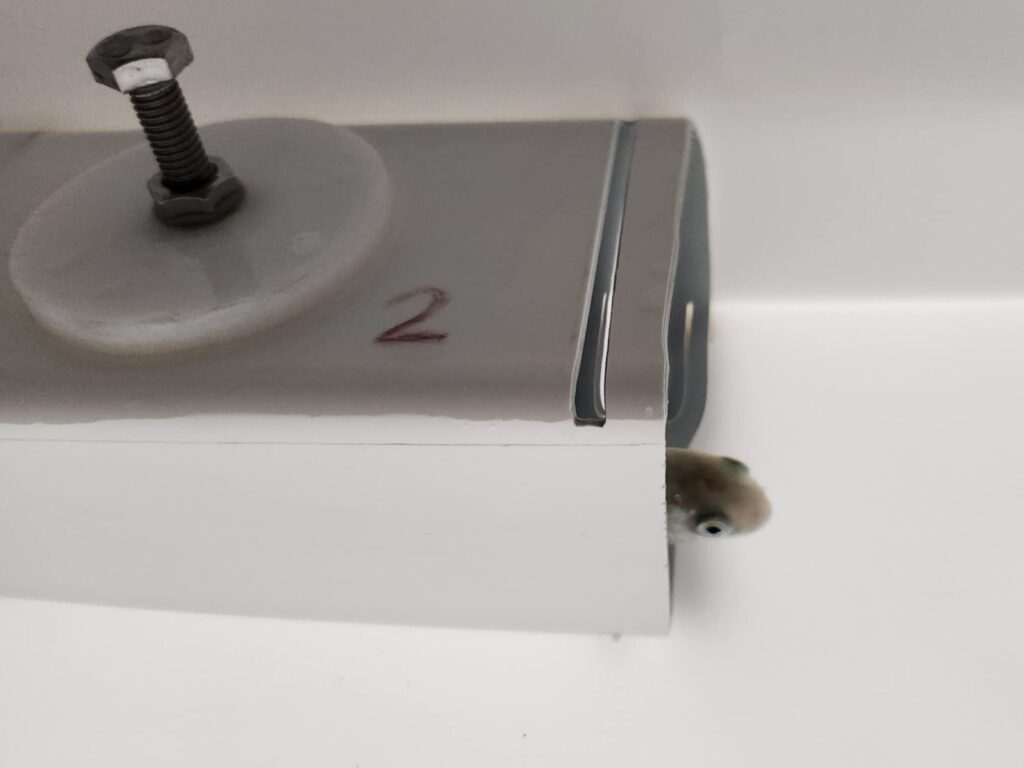
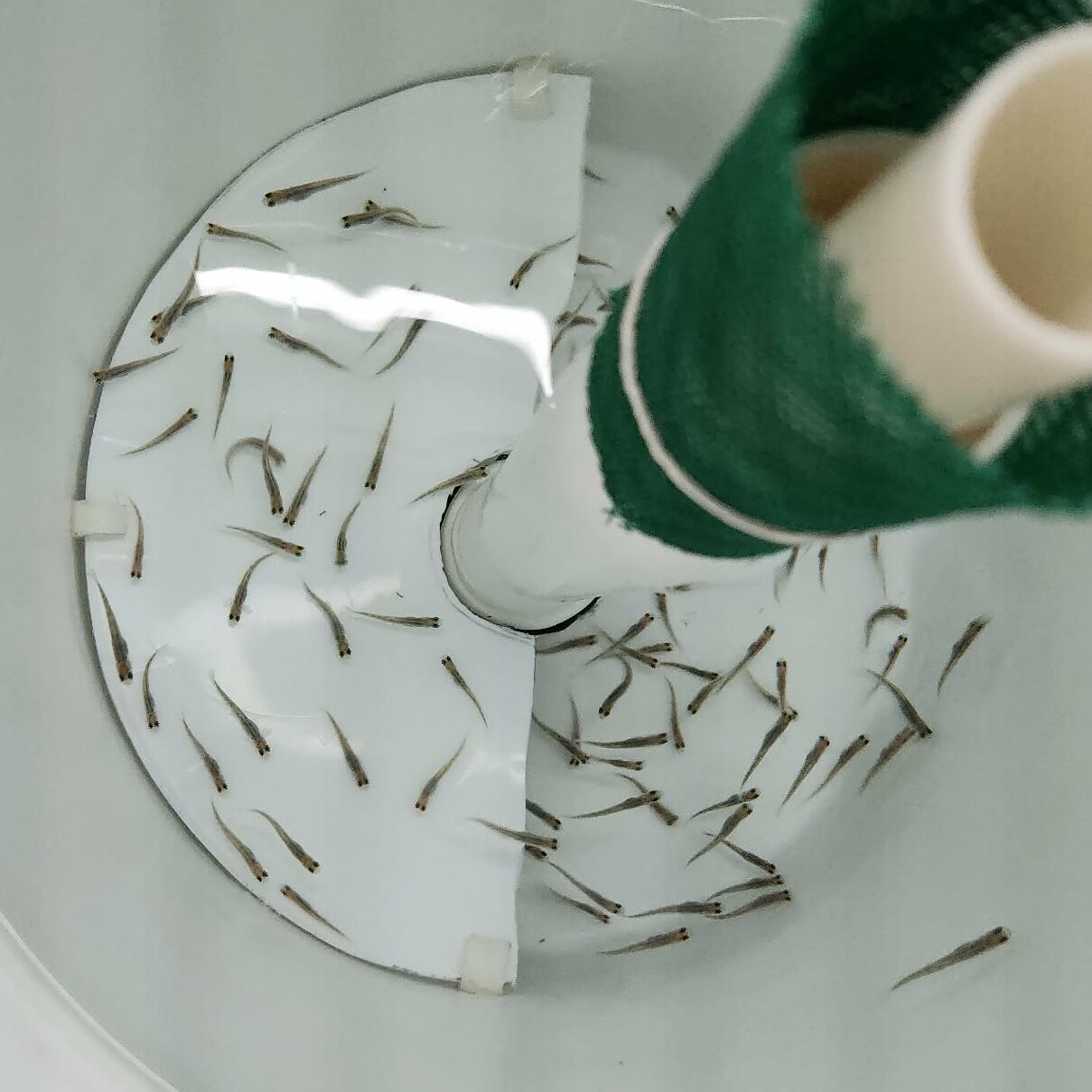
In her experiment, Sabine combines behavioural and physical data to find which are good predictors of stress and, therefore, fish welfare. She raised aquaculture Arctic charr in plain and enriched environments and exposed them to stressful situations, such as being taken out of the tank for 30 seconds. She took multiple measurements at specific timepoints in development, combining behavioural and physical traits. To measure long-term stress of being raised in a plain environment Sabine measured growth and fat storage in the liver, as many fish store fat in the liver (e.g. hepatosomatic index: the weight ratio between total body weight and liver weight). Short-term stress was measured by taking blood samples shortly after the stressful event and measuring the stress-hormone cortisol. Comparing how different measurements correlate Sabine aims to find a reliable measure of fish welfare.
Research on welfare in aquaculture fish is so important because fish are grown in high-density environments with little to no enrichment (e.g. plants or additional platforms to hide from the local bully). And even though aquaculture does optimise for growth, for profit reasons, and growth is a good indicator of fish welfare, it is not the whole story. In traditional life-stock farming animal welfare has been a topic of research for decades and awareness has grown greatly. Whereas in fish some people are still debating if they can even feel pain, so there is still a long way to go. The importance of this research field is also growing as more and more of the fish we consume is coming from aquaculture farms instead of being caught in the wild.
Sabine hopes to contribute to raising public awareness around fish welfare in aquaculture and deliver science-based advice for aquaculture farmers to improve rearing conditions for fish. Sabine is now in the homestretch of her PhD and soon will be ready to present the insights she gained from her project, so stay tuned for the results!