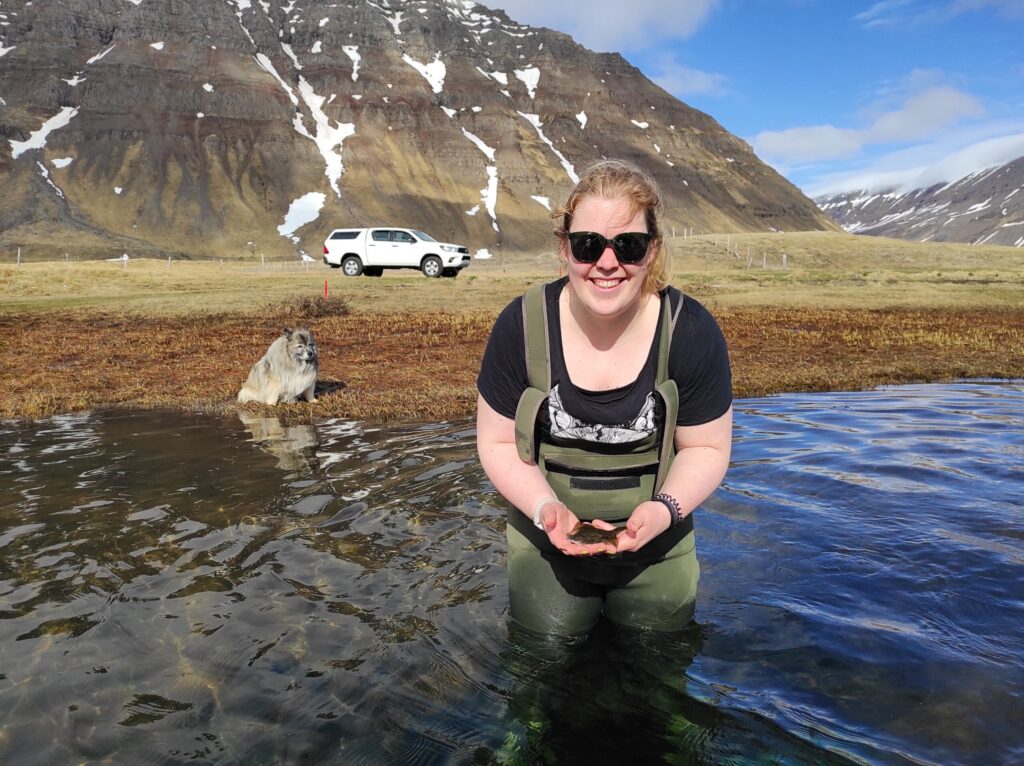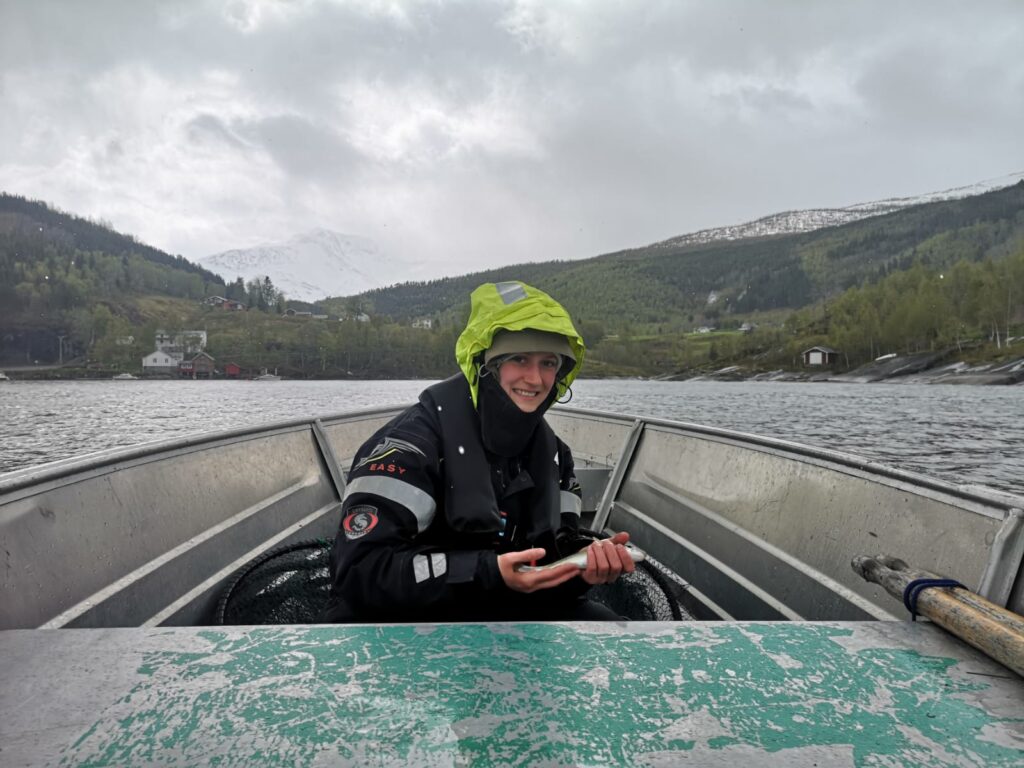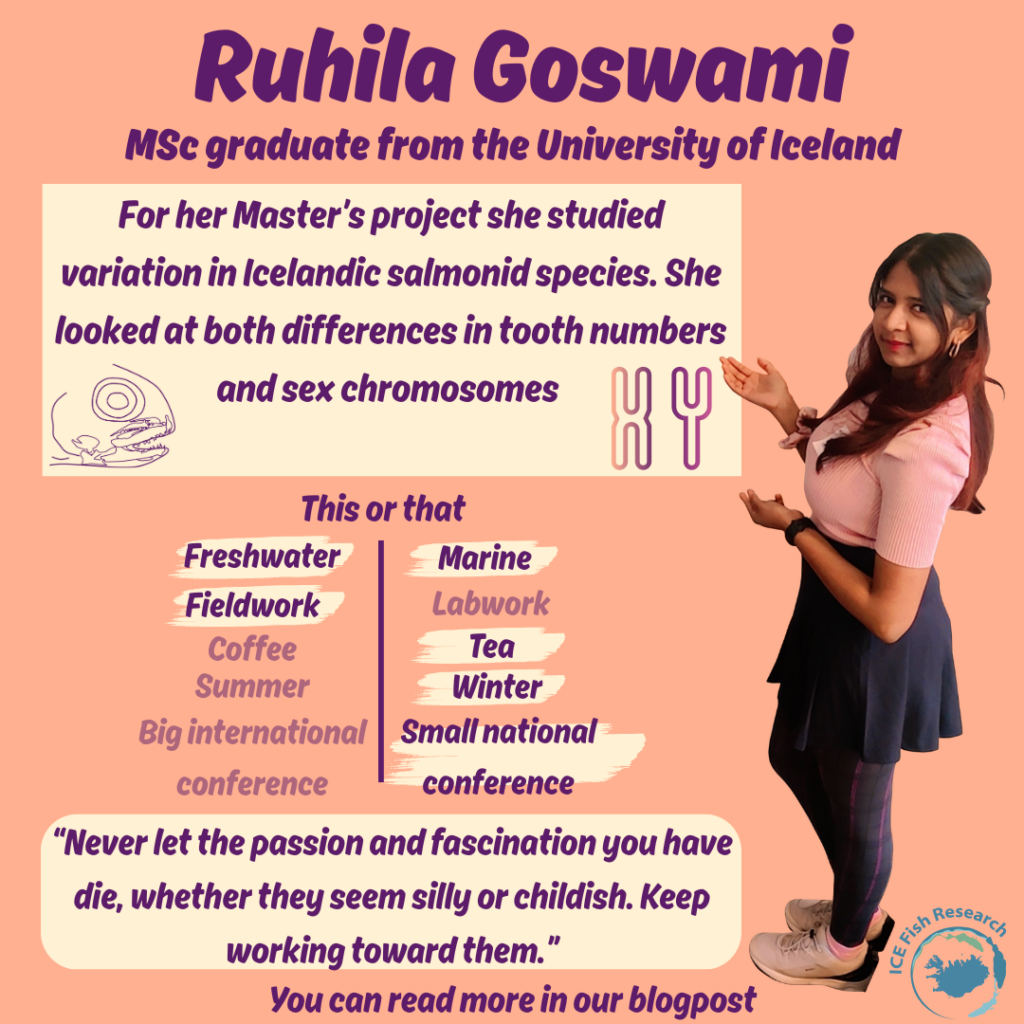
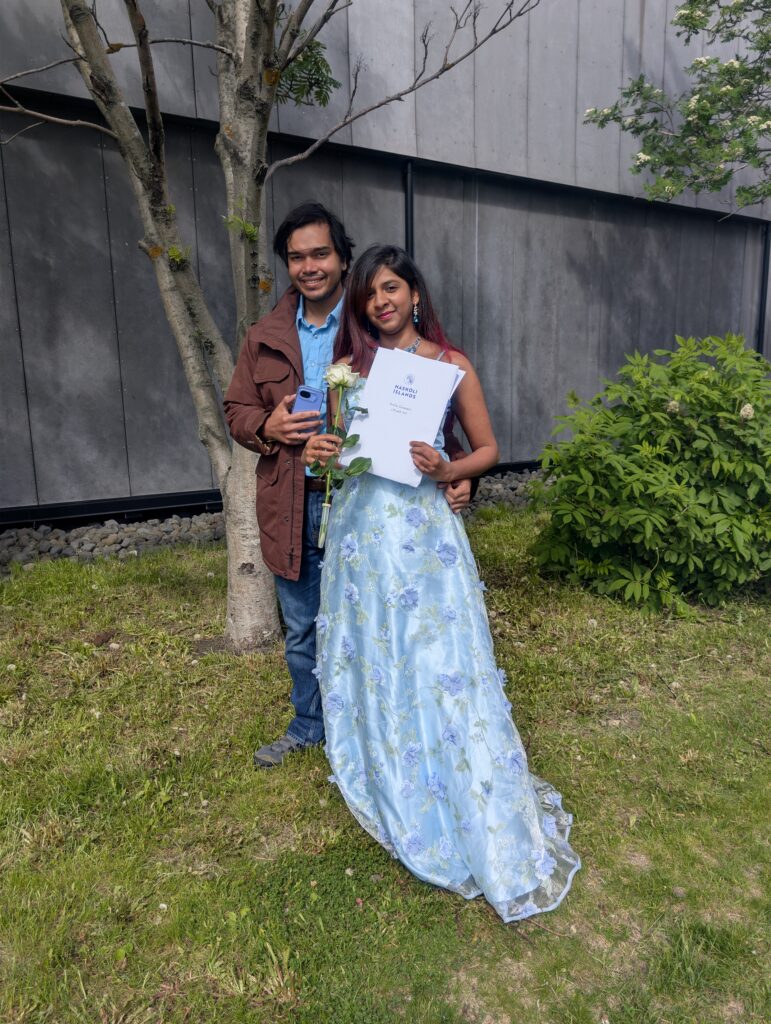
Congratulations to Ruhila Goswami, on finishing her master’s in biology! For the past two years Ruhila has been studying biology at the University of Iceland. For her master’s projects, she looked at differences in tooth numbers and sex chromosome in Icelandic salmonid species.
Journey to the north
As far as she can remember, Ruhila has always wanted to study biology and eventually do research. Even as a young child she was very interested in nature and loved observing nature and wildlife. She enjoyed watching Discovery, Animal Planet and National Geographic. Her passion for genetics didn’t come until a bit later in life, when she was in high school. However, it was love at first sight. Ruhila was fascinated by genetics, cloning and the inheritance of traits.
While doing her undergrad in biology Ruhila got to do an internship in Iceland. Where she worked at the Arctic charr lab at the University of Iceland. Working with the genetics of Arctic charr. Maybe it was the Icelandic weather, the wonderful people she met or the Arctic charr itself. But something made Ruhila think of Iceland when it came time to choose where she wanted to do her master’s studies.
From teeth to sex chromosomes
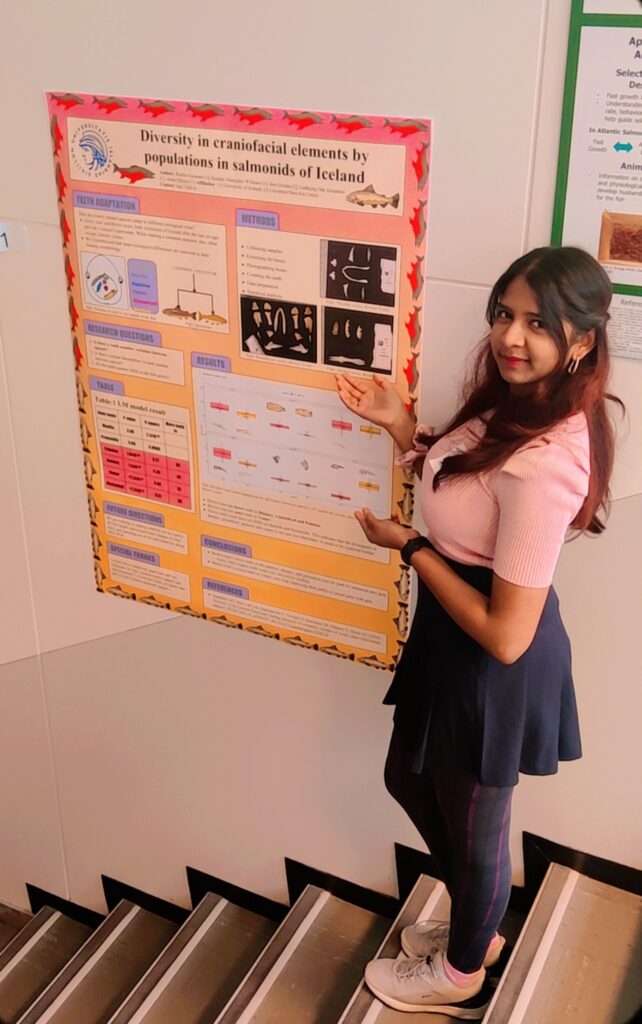
Ruhila’s master’s project was a combination of two projects both focusing on differences between the salmonid species Arctic charr and Brown trout. In one part she looked at variation of tooth numbers. In the other part she looked at differences of sex chromosomes.
Different fish have different mouths and different numbers of teeth depending on what they like to eat. Ruhila found differences in tooth numbers between Arctic charr and Brown trout. It was very interesting that teeth on some bones show so much difference while others show very little.
As for the sex chromosomes. Salmonids have these genes called “jumping genes” which can “jump” around the genome moving from place to place. One of these “jumping genes” is called sdY which is a sex determining gene (effects whether the fish is female or male). In her project Ruhila looked at where this gene is located. She found its location differed between the species.
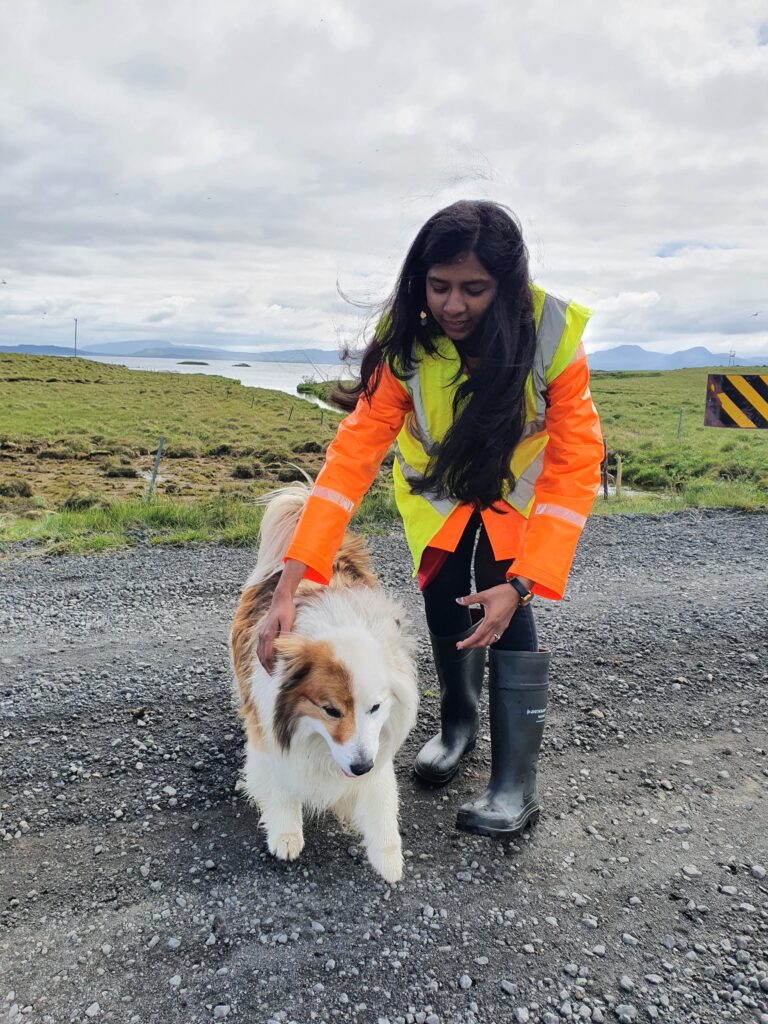
Ruhila had a lot of fun during her masters. She really enjoyed the fieldwork and the electrofishing she had to do. As well as the long days of lab work. Still finishing a master’s thesis is not all fun and games. Ruhila found the last weeks of finishing writing the thesis itself the least enjoyable part. However, once all is said and done, she is extremely proud of her thesis.
And so, the story continues
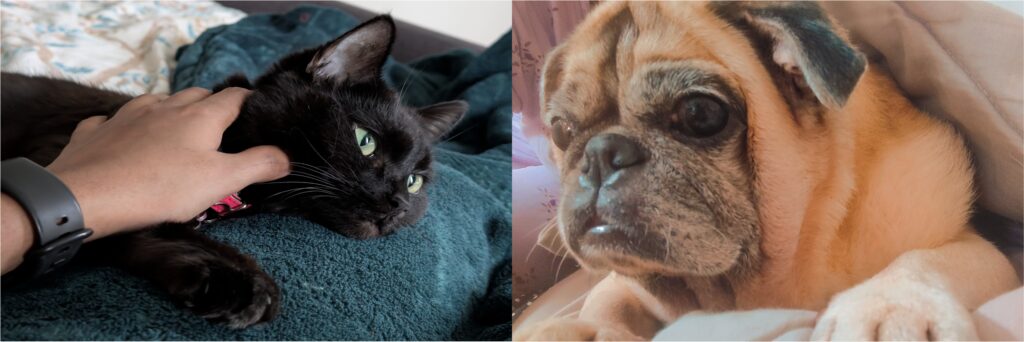
Now with the master’s thesis completed Ruhila should hopefully have some more free time to spend with her cat Ari or doing other things she loves. Ruhila loves baking and cooking new dishes or trying new cuisines in restaurants. She also loves visiting nature parks, beaches and exploring tide pools. Ruhila is also a big fan of traveling and wants to visit every aquarium and zoo she can.
However, for a curious and passioned person like Ruhila the work never stops. She is currently planning on continuing her studies by doing a PhD and is working on securing funding for that project.
We wish her all the best luck and leave her with some wise words from herself: “Never let the passion and fascination you have die, whether they seem silly or childish. Keep working toward them”.